Background
Smart supplement shopping starts with understanding what’s really inside the products you buy and how to choose supplements that are safe, high-quality, and effective. With thousands of options on the market, each claiming to boost health, energy, or performance, it’s easy to feel overwhelmed or misled. Before adding anything to your wellness routine, it’s essential to know what to look for, what to avoid, and how to verify that a supplement is worth your money and your trust.
The supplement industry is booming—offering everything from multivitamins and probiotics to energy boosters and immune support formulas. But with thousands of products on store shelves and even more online, figuring out which supplements are truly effective—and safe—can be overwhelming.
Unlike prescription medications, dietary supplements aren’t tightly regulated by the FDA. This means not all products are tested for purity, potency, or quality before hitting the market. As a result, consumers are often left to navigate confusing labels, exaggerated claims, and unfamiliar ingredients on their own.
Whether you’re shopping for multivitamins, immune support, or energy-boosting supplements, it’s important to know what you’re putting in your body. This smart supplement shopping guide will help you navigate labels, avoid hype, and choose high-quality supplements tailored to your needs
Let’s take the guesswork out of your wellness routine. Here are the important things to know before you purchase supplements
Smart Supplement Shopping: 7 Things to Know Before Buying Supplements

Define Your Supplement Goals
Before you buy, ask yourself:
- Do I need a general multivitamin or a specific nutrient?
- Am I addressing fatigue, sleep, digestion, or immunity?
- Am I shopping for men’s or women’s supplements?
Setting clear health goals helps you avoid buying unnecessary products and improves your supplement routine’s effectiveness.
Look for Third-Party Tested Supplements
Since supplements aren’t tightly regulated, trust only brands that offer third-party testing. Look for certifications from:
- USP
- NSF International
- ConsumerLab
- CMP Certified
These labels show the product has been tested for purity, potency, and safety—a major green flag when shopping for clean supplements.
Read the Label Carefully
Here’s what to focus on in the Supplement Facts panel:
- Ingredient amounts vs. Daily Values (DV)
- Fillers, artificial colors, or allergens
- Number of servings per container
Ingredient Amounts vs. Daily Values (DV)
This shows how much of each nutrient you’re getting relative to the recommended daily intake.
Look for:
- Nutrients listed with both the amount (mg, mcg, IU) and the %DV.
- Be cautious with nutrients listed well over 100% DV—more isn’t always better.
- If a nutrient has no established DV, research its safety and effective dosage.
Fillers, Artificial Colors, or Allergens
These can cause side effects or sensitivities.
Look for:
- Common allergens: soy, gluten, dairy, shellfish, nuts.
- Artificial additives: dyes like FD&C Red 40, preservatives, artificial sweeteners (e.g., sucralose).
- Phrases like “free from common allergens” or “no artificial colors/flavors”.
Number of Servings per Container
A bottle might seem affordable until you realize it’s a 10-day supply.
Look for:
- Serving size and number of servings – Are you taking 1 capsule or 4 per day?
- This helps calculate the true monthly cost of the supplement.
Bonus tip: avoid products with “proprietary blends” that hide actual ingredient amounts.
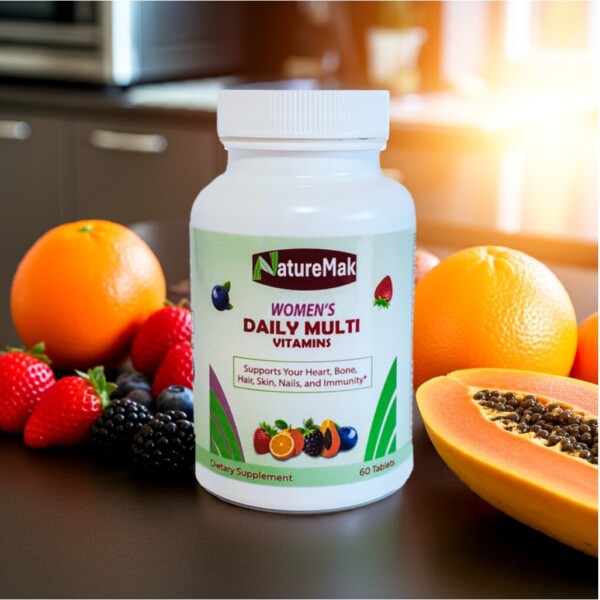
Look for supplements without artificial additives, synthetic fillers, or vague ingredient sources. Brands like NatureMak prioritize natural, responsibly sourced ingredients in both their men’s and women’s multivitamins.
Related Post:
Match Your Age & Gender
Women often need more iron, calcium, and folate, while men may benefit from magnesium, zinc, and vitamin D. Also, people over 50 have unique needs like higher B12 and bone support.
Choose gender- and age-specific multivitamins for better effectiveness.
Watch out for Red Flags and Hype
Avoid supplements with:
- Promises to “cure” or “instantly boost” your health
- Fake reviews or unproven celebrity endorsements
- Lack of contact or sourcing information
Smart supplement shopping means staying informed and skeptical of anything that seems too good to be true.
Shop from Reputable Retailers
The safest places to buy vitamins online are:
- Official brand websites (e.g., NatureMak.com)
- Verified platforms like iHerb, Thorne, or Fullscript
- Trusted wellness marketplaces like Amazon, Walmart, HealthPackIt
Avoid unknown third-party sellers and suspiciously discounted products.
Always Consult a Professional
Even the best supplements can have side effects or interact with medications. Talk to your doctor, especially if you’re:
- Pregnant or nursing
- Managing health condition
- Taking prescription meds
Smart Supplement Shopping Checklist
- Set your health goal
- Check for third-party testing
- Read the label (DV, ingredients, dosage)
- Match supplements to your age/gender
- Avoid unrealistic claims
- Buy from safe, verified retailers
- Talk to a healthcare provider
The Bottom Line
Supplements should support your health, not complicate it. Shopping smart means being informed, intentional, and cautious. When done right, the right supplements can become a powerful part of your wellness journey.
Ready to Shop?
Explore third-party tested, gender-specific, and clean-label multivitamins at HealthPackIt.com.
Support your wellness with supplements backed by nature and driven by science.